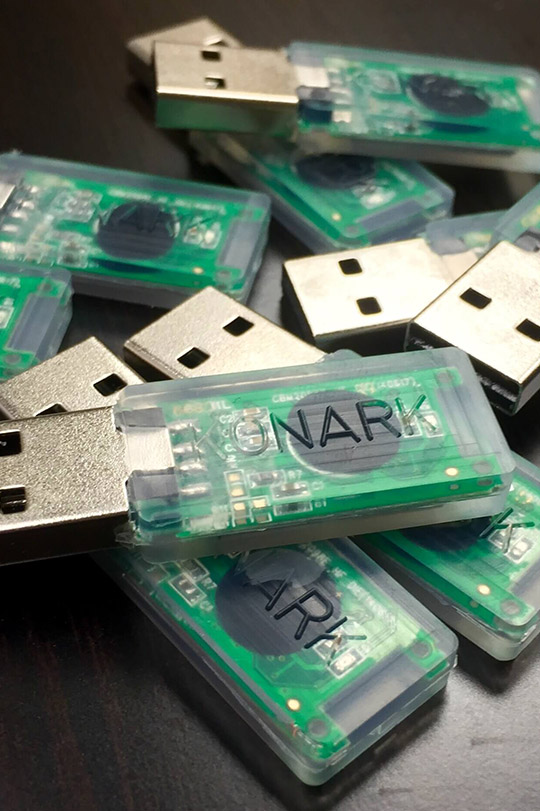
Silicone rubber overmolding is a manufacturing process that molds a layer of silicone directly onto a pre-formed base component. The pre-formed base component can include flexible circuits, PCBA, connectors, or metal substrates.
This technique leads to the creation of a single, integrated part. Essentially, it combines structural strength with silicone’s tactile, durable, and protective properties without the need for any adhesives.
Silicone rubbers can be overmolded onto thermoplastics, metals, PCBAs, and other substrates. Rubber overmolding is commonly used to absorb shock, act as a seal, provide a softer touch feel, and so on. Often, the industry usage of this technique is to separate the non-biocompatible internal components of a device using a bioinert silicone for an electronics elastomer.
One of the most common challenges in rubber overmolding is protecting the insert or the substrate as the molding process takes place. This mold has to be designed carefully to hold the insert in place under injection pressures while avoiding tight clearances that could lead to the insert getting crushed.
Dimensional variations are common within a sample lot that includes plastic parts, metal inserts, PCBAs, or other substrates. Our incoming quality control inspection team identifies parts that fit too tightly or loosely in the mold. The out-of-specification samples are quarantined before the production process even begins. While it is true that inserts can be expensive, a damaged tool is usually costlier.